
– Aftermarket Car Parts Market
The Challenge
A well-established direct-to-consumer business operating within the automotive aftermarket sector had spent more than four years investing heavily in marketing activity through its internal marketing team.
Significant budgets were allocated across Google Ads, Meta advertising, industry publications, sponsorships, and attendance at car events and trade shows. Despite this investment, the business struggled to achieve meaningful improvements in brand awareness, online sales performance, customer retention, and overall marketing efficiency.
The leadership team recognised that marketing activity had become reactive rather than strategic. Campaigns were being executed continuously, but without clear alignment to commercial objectives or measurable return on investment.
I was engaged as a Fractional CMO to provide strategic leadership, improve marketing performance, increase online sales, strengthen brand awareness, and reduce operating costs.
The Objective
The business sought to:
- Increase brand awareness within key car enthusiast and trade communities.
- Improve online sales performance.
- Generate more qualified customer enquiries.
- Improve CRM systems and use within the business.
- Increase customer retention and repeat purchases.
- Improve marketing efficiency and reduce unnecessary expenditure.
- Develop a more focused and commercially driven marketing function.
My Approach
As a Fractional CMO, I provide the strategic leadership, commercial focus, and practical direction businesses need to improve marketing performance, strengthen internal capability, and achieve sustainable growth, without the cost and commitment of a full-time marketing executive.
Marketing Audit and Performance Review
The engagement began with a comprehensive review of marketing activity, campaign performance, customer data, event participation, advertising spend, and team processes.
Several opportunities for improvement quickly became apparent:
- Advertising budgets were spread too thinly across multiple channels.
- Campaigns lacked clear audience segmentation.
- Marketing decisions were often based on assumptions rather than performance data.
- Event attendance was driven by tradition rather than measurable outcomes.
- Internal teams were heavily focused on activity metrics rather than commercial impact.
While the company had a talented marketing team, it lacked strategic direction and a clear framework for measuring success.
Refocusing the Marketing Team
One of the first priorities was shifting the mindset of the internal marketing team.
Rather than measuring success by the volume of campaigns delivered, the team was encouraged to focus on business outcomes, including:
- Revenue growth.
- Customer acquisition.
- Customer lifetime value.
- Repeat purchase rates.
- Brand engagement.
- Return on advertising spend.
This cultural shift helped create a more commercially focused marketing function capable of supporting wider business objectives.
A More Targeted Advertising Strategy
A significant proportion of the company’s budget was being invested across Google, Meta, print advertising, sponsorships, and other channels using a broad, scattergun approach.
Working closely with the team, we introduced a more disciplined framework for campaign planning and budget allocation.
This included:
- Improved customer segmentation.
- Audience-specific messaging.
- Enhanced campaign tracking and attribution.
- Better alignment between advertising and seasonal buying behaviour.
- Ongoing optimisation based on performance data.
Rather than attempting to reach everyone, marketing efforts became focused on the audiences most likely to convert.
The result was improved campaign performance, lower acquisition costs, and stronger returns from existing advertising budgets.
Transforming the Events Strategy
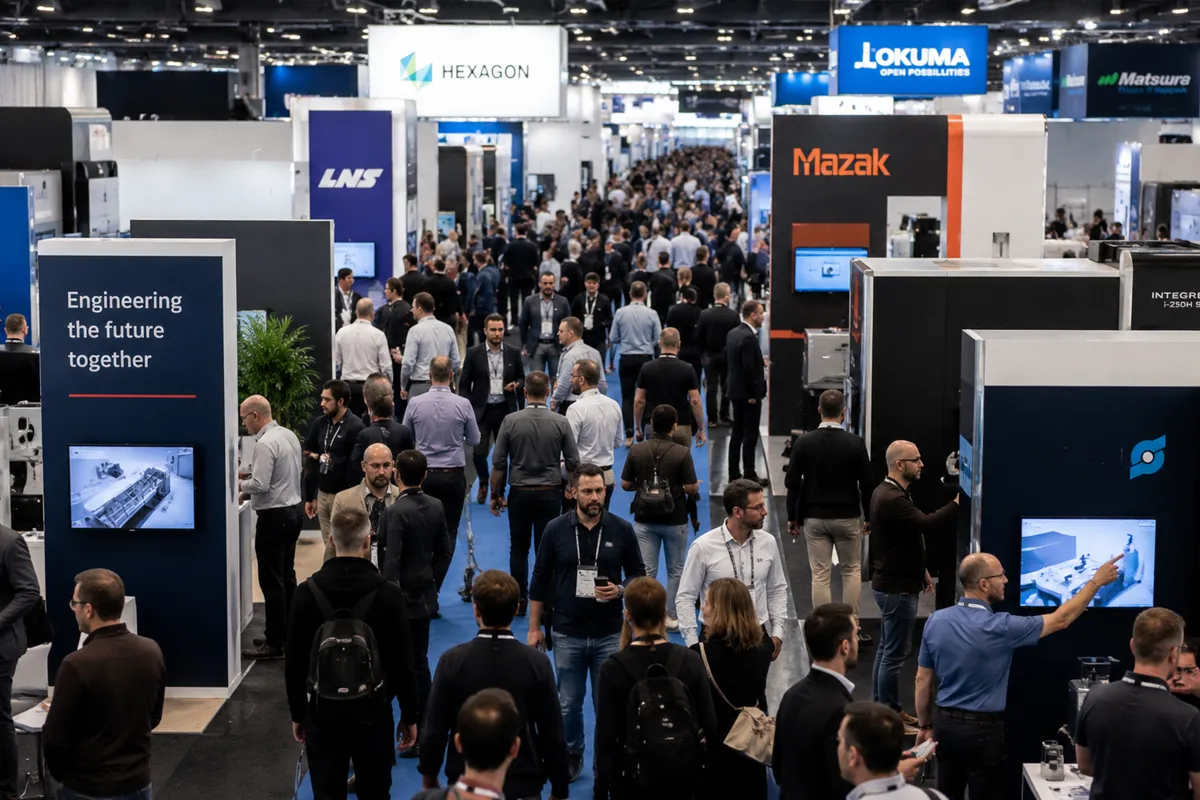
The business had historically attended a large number of automotive events and car shows each year.
While these events consumed significant budget and resource, there was limited evidence regarding their commercial value.
A detailed review of previous event performance was undertaken, analysing:
- Lead generation.
- Sales conversions.
- Customer demographics.
- Geographic reach.
- Cost per acquisition.
- Brand exposure opportunities.
Using this data, a more selective event strategy was developed.
The company reduced the number of events attended and focused on those most closely aligned with its core customer base.
Stand design, product displays, promotional activity, and customer engagement strategies were also refined to better reflect audience interests and purchasing behaviours.
The result was a reduction in event expenditure while simultaneously increasing sales enquiries, lead generation, and customer engagement.
Customer Retention and CRM Development
The business had accumulated a valuable customer database over many years but was not fully leveraging this asset.
We introduced a more structured CRM and retention strategy that focused on:
- Customer segmentation.
- Automated communications.
- Repeat purchase campaigns.
- Product recommendation programmes.
- Customer loyalty initiatives.
- Post-purchase engagement.
This helped strengthen customer relationships while increasing repeat revenue and lifetime customer value.
Creating a Performance-Led Marketing Function
Clear KPIs, reporting frameworks, and accountability measures were introduced across all marketing activities.
The leadership team gained greater visibility into:
- Advertising performance.
- Website conversion rates.
- Online sales growth.
- Customer acquisition costs.
- Customer retention metrics.
- Event ROI.
- Marketing-generated revenue.
This enabled faster decision-making and ensured future investment was directed towards the highest-performing activities.

The Results
Within twelve months, the business experienced a significant improvement in marketing performance and commercial outcomes.
Increased Online Sales
A more focused digital marketing strategy delivered stronger website traffic quality, higher conversion rates, and increased online revenue.
Greater Brand Awareness
More consistent messaging and targeted audience engagement strengthened brand recognition within key automotive enthusiast communities and industry segments.
Improved Lead Generation
Refined campaign targeting and improved event performance generated a substantial increase in qualified customer enquiries.
Stronger Customer Retention
CRM-led communications and customer engagement initiatives increased repeat purchases and strengthened long-term customer relationships.
Reduced Marketing Costs
By eliminating low-performing activities and introducing a more strategic approach to advertising and events, the company significantly reduced marketing waste while improving overall performance.
Sustainable Long-Term Growth
Most importantly, the organisation now operates with a marketing function driven by strategy, data, and commercial objectives rather than activity alone.
Conclusion
This project demonstrates that successful marketing is not always about increasing budgets, it is about improving focus.
Through strategic leadership, data-driven decision making, improved team alignment, and a relentless focus on commercial outcomes, the business transformed its marketing performance within twelve months.
Today, the company enjoys stronger brand awareness, increased online sales, higher customer retention, and significantly improved return on investment, proving that the right strategy can often achieve more than simply spending more.

Ready to get your marketing working properly?
If you’re serious about growth, and tired of guesswork, let’s have a conversation.
I offer an initial consultation at no cost – a focused, one-to-one session where we take a step back, look at your current position, your ambitions, and where the real opportunities for growth lie.
It’s a chance to bring clarity to your marketing, challenge assumptions where needed, and identify what will genuinely move the business forward.
No hard sell. Just a clear, commercially grounded discussion.
Please fill and submit the form or email me at
sean@makin-marketing.com